
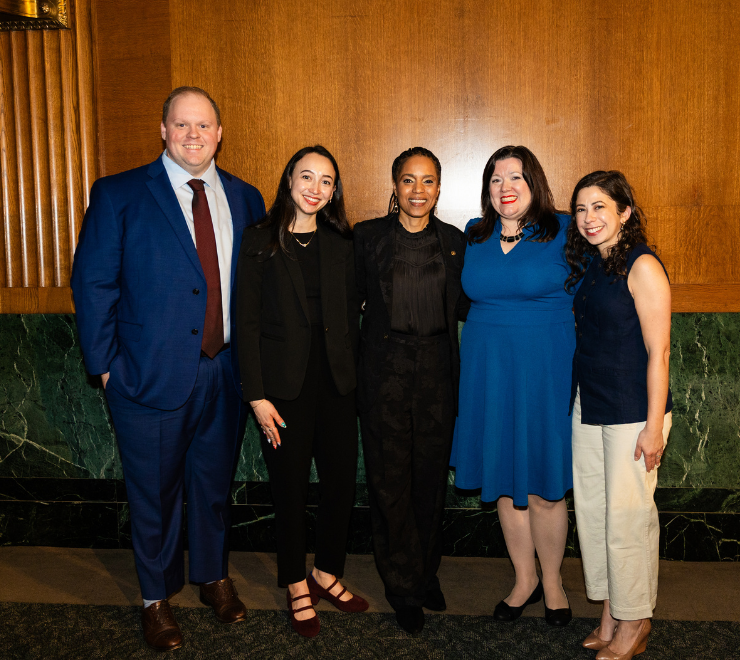
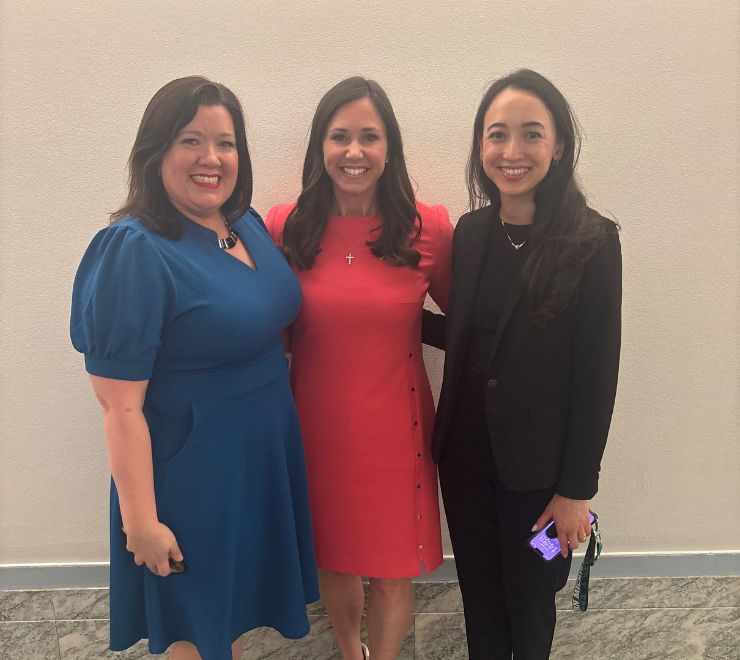
On March 11, 2026, National Network for Youth (NN4Y) hosted a Congressional briefing in collaboration with Senators Katie Britt (R-AL) and Angela Alsobrooks (D-MD): Invest Early, End Chronic Homelessness: A Briefing on the Homeless Children and Youth Act. The briefing highlighted the challenges faced by young people, providers, and policymakers in preventing and ending homelessness because of the unaligned federal definitions of homelessness.
The Issue
The Homeless Children and Youth Act (HCYA) S.1667/H.R.6403, aligns federal definitions of homelessness to ensure that all children, youth, and families experiencing homelessness can access the housing assistance they need. This legislation would:
- Ensure that those who have been identified as experiencing homelessness by a specified federal program would be able to be assessed for homeless assistance through the U.S. Department of Housing and Urban Development (HUD).
- Allow communities more flexibility in the use of their federal funding to better align with their local plans to prevent and end homelessness.
- Require HUD to submit counts of hidden homelessness that other programs already conduct, such as the Head Start or public schools counts.
Missed the Briefing? No Problem!
NN4Y is grateful to have been joined by two senators, two young leaders, and two youth homelessness providers.
“It’s an honor to speak at the congressional briefing and advocate for the Homeless Children and Youth Act. I hope this bill is passed, and nationally our children and families can have early intervention so those young children don’t turn into chronically homeless adults.”
—Marcellus Seals; National Youth Advisory Council Member
Key Takeaways
Both Senator Alsobrooks (D-MD) and Senator Britt (R-AL) spoke on their commitment to pass HCYA, with Senator Britt serving as the Republican lead on this legislation. Both recognized the real impact this legislation will have on the 4.2 million young people experiencing homelessness each year, most of whom are experiencing hidden homelessness.
Amber and Marcellus shared their experiences of experiencing homelessness while not meeting the definition threshold for HUD, and how that kept them from receiving the housing and services they need. They also shared how they see this issue at the different nonprofits they are working for now, where young people can’t access homelessness assistance funded by HUD because of the narrow definition and eligibility criteria.
Local communities need greater control over how they use funding so that those experiencing hidden homelessness can be served, prevent further compounded trauma, and prevent chronic adult homelessness. Without support, many youth are trafficked. Also, Pregnant and parenting youth experiencing homelessness face many barriers, such as a lack of education, jobs, housing, and family support. This increases the risk of family separation and exploitation. This legislation would change that by ensuring these young people and young families are no longer excluded from the help they need because of unaligned federal definitions of homelessness.

